Understanding the Basics of Structural Steel Welding
What Is Structural Steel Welding?
Structural steel welding refers to the process of joining steel components through heating and melting. This fundamental technique is used extensively in the construction of buildings, bridges, and other infrastructures where strength and durability are essential. The fusion of steel components through welding creates a robust configuration that effectively transfers loads and withstands environmental stresses. Basic forms of welding employed in structural contexts include Shielded Metal Arc Welding (SMAW), Gas Metal Arc Welding (GMAW), and Flux-Cored Arc Welding (FCAW). Each method has unique advantages that make it suitable for specific applications in structural steel projects. In structural steel welding, precision and compliance with standards are crucial for ensuring safety and performance.
Key Techniques Used in Welding
Modern welding encompasses a variety of techniques that ensure high-quality results. Among the principal methods used in structural steel welding are:
- Shielded Metal Arc Welding (SMAW): Often referred to as stick welding, SMAW is a manual process utilizing a consumable electrode coated in flux. It is versatile and effective for outdoor applications, particularly in varying weather conditions.
- Gas Metal Arc Welding (GMAW): Commonly known as MIG welding, GMAW requires a continuous feed of the electrode wire and uses a shielding gas to protect the weld from contamination. Its speed and ease of use make it popular for industrial applications.
- Flux-Cored Arc Welding (FCAW): Similar to GMAW, FCAW uses a tubular wire filled with flux. It can be performed with or without a shielding gas, allowing it to be applied in outdoor environments with wind.
- Tungsten Inert Gas Welding (TIG): This method employs a non-consumable tungsten electrode and is known for producing high-quality welds with a clean finish. It is particularly effective for thin materials and specialized applications.
Importance of Structural Integrity
Structural integrity is paramount in construction. It refers to the ability of a structure to withstand its intended load without experiencing failure. Inadequate welding can lead to catastrophic outcomes, including structural collapse. Thus, understanding load specifications and employing sound welding practices is vital. Engineers and welders must collaborate closely to ensure that all welds meet industry standards and regulations, which significantly reduces the risks associated with structural failures.
Common Challenges in Structural Steel Welding
Identifying Welding Defects
Welding defects can severely impact the performance of a structure. Common defects include porosity, cracking, undercuts, and incomplete fusion. Detecting these issues often requires advanced techniques including visual inspections, ultrasonic tests, and radiographic examinations. Implementing rigorous quality control measures and performing regular inspections can help identify defects early in the welding process, thereby preventing costly repairs or replacements.
Environmental Factors Affecting Weld Quality
Weld quality can be compromised by environmental conditions such as wind, temperature, and humidity. High winds, for example, can disperse shielding gases, leading to contamination of the weld pool. Additionally, extremely low temperatures may lead to brittle fractures in welds. To combat these challenges, welders should adopt protective measures such as using windbreaks, maintaining appropriate working temperatures, and selecting suitable welding parameters based on prevailing weather conditions.
Ensuring Proper Equipment Setup
A critical factor in the success of structural steel welding is the setup of welding equipment. Improperly calibrated machines can result in inconsistent welds, leading to structural vulnerabilities. Regular maintenance and calibration of welding machines are essential to ensure consistent performance. Welders should also be trained to select the right settings based on material thickness, type of joint, and welding technique to achieve optimal results.
Effective Techniques for High-Quality Welds
Choosing the Right Welding Method
Selecting the appropriate welding method is crucial for achieving high-quality welds in structural steel projects. Factors such as material type, thickness, position, and joint configuration must be considered. For instance, while SMAW may be ideal for outdoor projects, GMAW is preferred for high-speed production environments. Evaluating these aspects plays a significant role in ensuring that welds meet standards for strength and durability.
Best Practices for Material Preparation
Proper material preparation significantly contributes to the quality of welds. This includes cleaning the surfaces to be welded, removing rust, oil, and any other contaminants that might interfere with the welding process. Additionally, edge preparation—such as beveling—is critical in ensuring that the weld pool can penetrate deeply into the base metals. Implementing best practices for material preparation enhances the overall quality of the welds and reduces the likelihood of defects.
Monitoring Weld Performance
Continuous monitoring of weld performance during the welding process is essential for ensuring consistency and detecting potential issues. The use of data logging systems can help track parameters such as voltage, current, and travel speed, facilitating real-time adjustments. These monitoring techniques provide insights that can enhance the quality of the welds and streamline the overall process with minimal rework.
Safety Standards in Structural Steel Welding
Essential Personal Protective Equipment
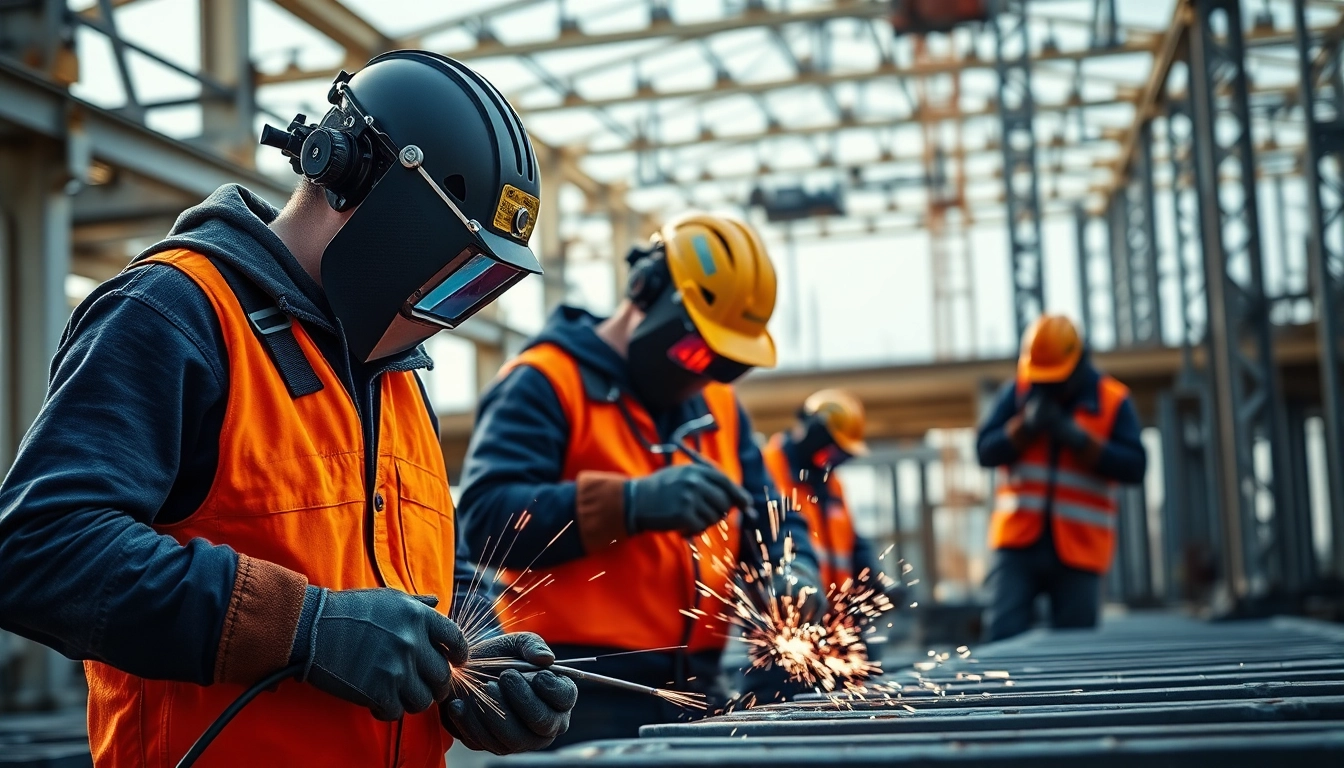
Safety is a top priority in structural steel welding. Personal Protective Equipment (PPE) is essential to protect welders from the inherent risks of the welding process. This includes:
- Protective Helmet: Equipped with a proper filter shade to protect against harmful UV radiation and glare.
- Gloves: Heavy-duty gloves designed to protect against heat and sparks.
- Protective Clothing: Flame-resistant jackets and pants to shield the body from sparks and heat.
- Respiratory Protection: Masks that filter fumes and particulate matter in the welding area, particularly in confined spaces.
Safe Work Practices to Follow
In addition to PPE, implementing safe work practices is critical. These practices include maintaining a clean and organized work area, using appropriate ventilation, ensuring fire extinguishing equipment is accessible, and conducting regular safety training for all personnel involved in welding operations. By fostering a culture of safety, organizations can significantly reduce the risk of accidents and injuries.
Compliance with Industry Regulations
Compliance with safety regulations and industry standards is a non-negotiable aspect of structural steel welding. Organizations must adhere to guidelines set forth by entities such as the American Welding Society (AWS) and Occupational Safety and Health Administration (OSHA). Regular audits and inspections ensure that companies maintain compliance with these regulations, ultimately enhancing the safety and quality of welding operations.
Future Trends in Structural Steel Welding
Advancements in Welding Technology
The welding industry is continuously evolving with advancements in technology. Innovations such as laser welding and electron beam welding are becoming increasingly prominent due to their high efficiency and precision. These technologies significantly reduce heat input and enable faster processing speeds, enhancing overall product turnaround time while maintaining high weld quality.
Automation and Robotics in Welding
Automation plays a pivotal role in the evolution of structural steel welding. Robotic welding systems are being integrated into production lines, offering increased consistency and efficiency compared to manual welding. Automation not only reduces human error but also allows for high-speed production, greater accessibility in hard-to-reach areas, and the ability to handle complex weld geometries.
Sustainable Practices in Steel Construction
As the construction industry increasingly focuses on sustainability, there is a growing demand for eco-friendly practices within structural steel welding. Techniques such as using recycled materials and reducing waste during the welding process are becoming paramount. Additionally, energy-efficient welding methods and equipment contribute to a lower environmental footprint and align with green building certifications, making them attractive for modern construction projects.