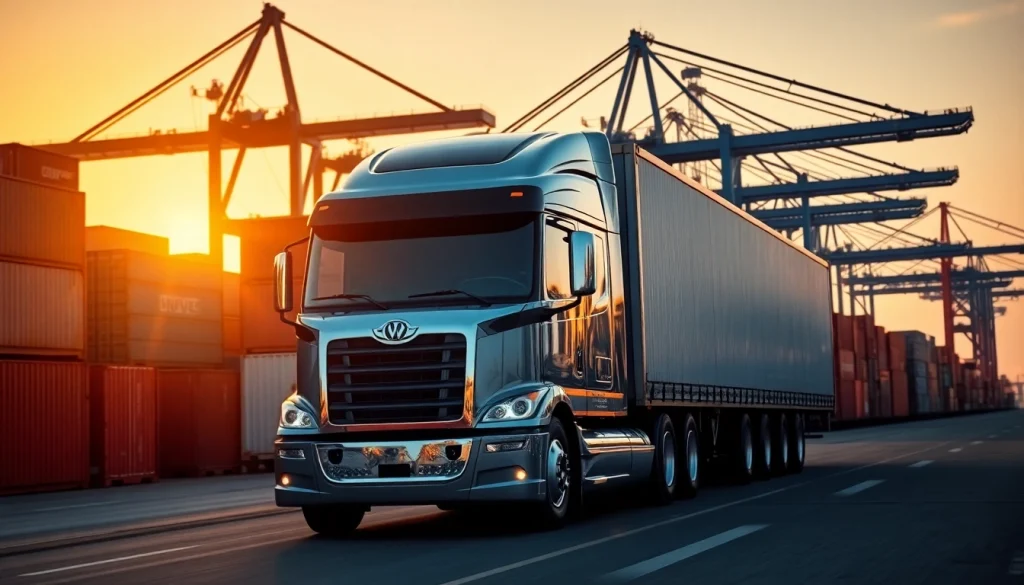
What is Drayage? A Comprehensive Overview
In the intricate world of logistics and supply chain management, drayage serves as a crucial component that facilitates the efficient transport of goods. It represents a type of freight transportation focused on short distances, typically between freight transport hubs, such as ports and warehouses. Understanding drayage is essential for businesses looking to optimize their shipping processes and ensure timely deliveries. Drayage is not merely a logistical afterthought; it is a key element of the broader transportation network. By connecting different modes of transportation, drayage plays a vital role in the success of intermodal shipping operations.
Definition and Importance of Drayage
Drayage is defined as the transport of shipping containers or cargo over a short distance, usually by truck. This service is essential in various scenarios, such as moving cargo from ports to distribution centers, rail yards, or warehouses. The importance of drayage lies in its role as a connector within the supply chain – without drayage, the movement of goods would face significant delays and inefficiencies. This service often functions as a critical part of a longer transit route called intermodal shipping, where a shipment may change modes of transportation (e.g., from sea to truck or rail).
Types of Drayage Services
Understanding the different types of drayage services can help businesses choose the right solution for their needs. The main types include:
- Port Drayage: This occurs when freight is transported between a port and another location, such as a warehouse or distribution center.
- Rail Drayage: This refers to moving cargo between rail yards and other destinations, an essential service given the increasing reliance on rail transportation for long-haul shipments.
- Intermodal Drayage: Involves the transfer of containers between different transport modes, often from shipping vessels to trucks.
- Intra-Carrier Drayage: This type is commonly used when shipments are moved to and from a specific carrier’s distribution site without outside transportation involvement.
- Expedited Drayage: When time is of the essence, expedited drayage services focus on quick transportation and delivery, catering to companies with time-sensitive freight.
Common Industry Terms Explained
To navigate the world of drayage effectively, understanding common industry terms is vital:
- Demurrage: Charges incurred when a cargo shipment is not moved within the allowed time frame.
- Detention: Fees charged for keeping a container beyond a specific period at a facility (either shipper or receiver).
- Intermodal Freight: Cargo transported using multiple modes of transport under a single contract.
- Flatbed Trailers: An open trailer design commonly used in drayage for transporting bulkier loads.
- Drop-and-Hook: A process where drivers simply drop off one container and hook up another, streamlining transportation times.
The Drayage Process: Step-by-Step
Initial Pickup and Transportation
The drayage process begins with an initial pickup. Once the shipping container or cargo arrives at a designated port or rail yard, a drayage carrier goes to retrieve it. This initial step involves assessing container readiness, ensuring all paperwork is in order, and confirming that the cargo is correctly labeled and documented. Once the container is picked up, it is transported to its next destination, which can be a distribution center, warehouse, or retail location.
Coordination with Ports and Rail Yards
Coordination with port authorities and rail yards is a significant aspect of the drayage process. Drayage companies must navigate through congested environments, comply with regulations, and monitor traffic conditions. Efficient communication with port officials ensures timely access to facilities and minimal delays. Effective coordination can significantly impact delivery schedules and overall logistics efficiency.
Final Delivery Procedures
The final step in the drayage process involves the successful delivery of goods to the specified location. This includes unloading cargo, ensuring that all delivery documents and receipts are signed, and that any associated fees are settled. Additionally, drivers may need to conduct post-delivery inspections and maintain records of all deliveries to ensure compliance with industry regulations and standards.
Challenges in the Drayage Industry
Traffic and Regulation Issues
Traffic congestion around ports and rail yards remains one of the most significant challenges faced by the drayage industry. High volumes of trucks and containers can lead to delays and inefficiencies. Further complicating this are various regulatory requirements imposed by local, state, and federal governments. Drayage companies must adapt to changing regulations on emissions, weight limits, and safety standards, often complicating their operations.
Cost Management Strategies
Cost management is critical in the drayage business, as rising fuel prices, labor costs, and other operational expenses can impact profit margins significantly. Companies often employ strategies such as optimizing routes, using technology for better analytics, or negotiating contracts with shippers to manage and control costs effectively. Moreover, monitoring expenses related to demurrage and detention can help reduce unnecessary charges, further enhancing cost-efficiency.
Impact of Technology on Operations
Technology plays an increasingly pivotal role in streamlining drayage operations. Innovations such as GPS tracking, automated booking systems, and data analytics tools give businesses valuable insights into their logistics processes. Real-time tracking systems help any stakeholders involved stay informed about the status of shipments, reducing the chances of delays, missed pickups, or lost containers.
Best Practices for Efficient Drayage
Choosing the Right Drayage Partner
Selecting the right drayage partner is crucial for businesses aiming for efficiency and reliability. When evaluating potential partners, companies should consider factors like experience, reputation, coverage area, and the technology they use. A partner that understands the intricacies of local regulations and can navigate potential challenges is worth the investment.
Streamlining Communication and Documentation
Efficient communication among all parties involved is essential for successful drayage operations. Maintaining reliable channels of communication between shippers, carriers, and consignees reduces misunderstandings and enables quick resolutions to potential issues. Effective documentation management ensures that all necessary paperwork, permits, and compliance documents are in order for smooth operations.
Innovative Solutions for Timely Deliveries
Businesses should always be seeking innovative ways to enhance the efficiency of their drayage services. Utilizing advanced analytics can lead to better route planning and load optimization. Additionally, investing in training employees on new technologies and procedures can ensure your team is equipped to handle the demands of an evolving industry.
Future Trends in Drayage Transportation
Growth of E-commerce and Its Impact
The rise of e-commerce is dramatically reshaping the logistics landscape, including drayage. Increased demand for quick deliveries necessitates more adaptive drayage services that can accommodate rapid turnover and smaller delivery windows. Companies that can implement efficient drayage strategies will find themselves at a competitive advantage in this rapidly evolving market.
Emerging Technologies in Logistics
As technology progresses, so too do the logistics processes that underpin drayage services. Innovations such as artificial intelligence, blockchain for tracking shipments, and the Internet of Things (IoT) are all creating more streamlined and transparent logistics environments. Embracing these changes is essential for companies looking to stay ahead in the industry.
Sustainability Practices in Drayage Services
Pressure to adopt sustainable practices is mounting within the drayage industry, driven by regulations and consumer demand for greener alternatives. From optimizing routes to reduce emissions to investing in clean energy vehicles, drayage companies must prioritize sustainability to meet the operational and ethical expectations of the modern market.